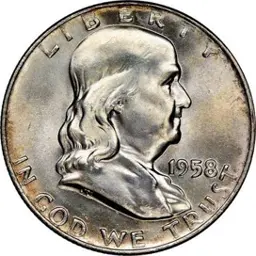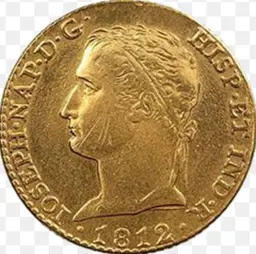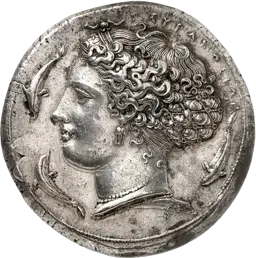
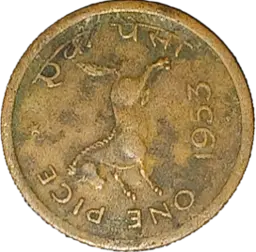
Ancient Roman coins
14k+ coins · up to $50,000
Browse Catalogue
Explore popular collecting categories, from ancient Roman to rare American.



Want to check your coins value? Get it evaluated first, then list to verified buyers.





MOBILE APP
Identify coins using your camera. Your collection syncs across devices.
1M+
Daily users
4.3+★
User feedback rating
1.5M+
Items cataloged
20K+
Community members


Estimated Value
No recent market data yet
Name or Denominations
300 Dollars 300 CAD = USD 209
Issuer
Canada
Ruler
Elizabeth II (1952-2022)
Year of Minting
2013
Currency
Dollar (1858-date)
Shape
Round
Rarity
Ultra rare
Weight
31.15 g
Diameter
30 mm
Thickness
2.5 mm
Material
Platinum (.9995)
Shape
Round
Edge Type
Reeded
Technique
Milled
Front design
Head of Queen Elizabeth II, as at 77 years of age, bare headed, wearing necklace and earrings, facing right.
Back design
Two Bald Eagles
Year of Minting
2013
Queen
Elizabeth II (1952-2022)
Mint location
Royal Canadian Mint of Ottawa , Canada (1908-date)
Mint mark
NA
Orientation
Medal alignment ↑↑
Inscriptions
Obverse: ELIZABETH II D•G•REGINA SB Reverse: CANADA 2013 CD 300 DOLLARS
Context
The famous bald eagle, Haliaeetus leucocephalus, is a native North American bird of prey that won a battle against near extinction in some areas during the 1970s. This victory now results in a population that spans most of North America, from Alaska to northern Mexico. In Canada, British Columbia, with its abundance of salmon, is the stronghold of this remarkable hunter; however, this magnificent bird breeds in all provinces and territories. Its population is regularly monitored by wildlife authorities. Most people know that, despite its name, the bald eagle, the eagle is not bald. This probably comes from an old usage of the word meaning 'white' or from the English word piebald, which means 'spotted'. The eagle's head and tail are covered with pristine white feathers, while the rest of its body is dark brown. It has a sharp, hooked beak and long legs with razor-sharp claws and small spikes on its talons, all of which make it an outstanding hunter. This is an automatic translation. The original text is: Le célèbre pygargue à tête blanche, Haliaeetus leucocephalus, est un oiseau de proie indigène de l’Amérique du Nord qui a remporté un combat contre sa quasi-extinction dans certaines régions pendant les années 1970. Cette victoire se traduit aujourd’hui par une population qui s’étend sur la plus grande partie de l’Amérique du Nord, de l’Alaska au nord du Mexique. Au Canada, c’est la Colombie-Britannique, regorgeante de saumon, qui est le bastion de ce chasseur remarquable; toutefois, cet oiseau magnifique se reproduit dans toutes les provinces et territoires. Sa population fait l’objet d’une surveillance régulière par les autorités fauniques. La plupart des gens savent que, malgré son nom en anglais, bald eagle (aigle chauve), le pygargue n’est pas chauve. Ce qualificatif vient sans doute d’un usage vieilli du mot signifiant autrefois « blanc » ou encore du terme anglais piebald, qui veut dire « tacheté ». La tête et la queue du pygargue sont recouvertes de plumes blanches immaculées, tandis que le reste de son corps est brun foncé. Il est doté d’un bec crochu et pointu ainsi que de longues pattes dont les serres sont munies de griffes affilées comme des rasoirs et de petits crampons, tant d’attributs qui en font un chasseur hors pair.
Rarity
Ultra rare
Coin type
Non-circulating
In circulation
Yes
Demonetized
No
Marketplace listings
0

Subscribe to Premium
Unlock more coin details with Premium.